PP-3} Authoritarian Media
Authoritarian Media
Totalitarianism is a form of government that demands the submission of a nation's citizens to a strong central authority. In contrast with democracy, totalitarianism strictly limits the political freedoms of citizens, and aim to exert control over a nation's economic, social and political process. The totalitarian government, or state, asserts total control over the public and private lives of its citizens. It enforces control through mechanisms such as:
- Suppression of political opposition
- Prohibition of certain religious or political groups
- Press censorship
- Armed law enforcement by the military and secret police forces.
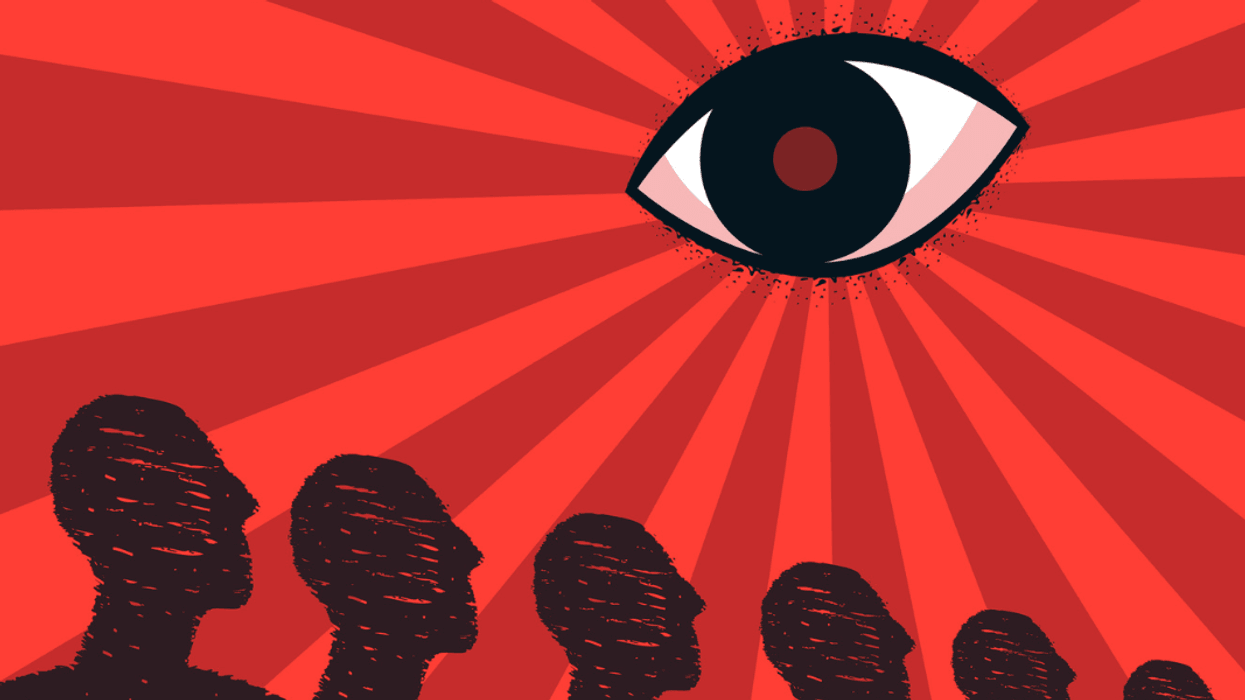
Living in a country where we are more privileged with expressing of your opinions and press, we are often unaware that other countries are oftentimes not as fortunate as we are. Americans are protected by the first amendment and have the ability to say anything and not be punished for it. Americans complain about a lot even though we have a lot of public opportunities. What if these freedoms were hypothetically taken away from us Americans? Authoritarian countries such as North Korea lack the freedoms we are so accustomed to.
North Korea is one of the most authoritarian and strictly controlled countries in the world. Their management of social media and digital information is part of the broader strategies of state control over all aspects of society. The Kim Dynasty government has a highly centralized, political system that strictly limits personal freedoms, including access to the internet and social media.
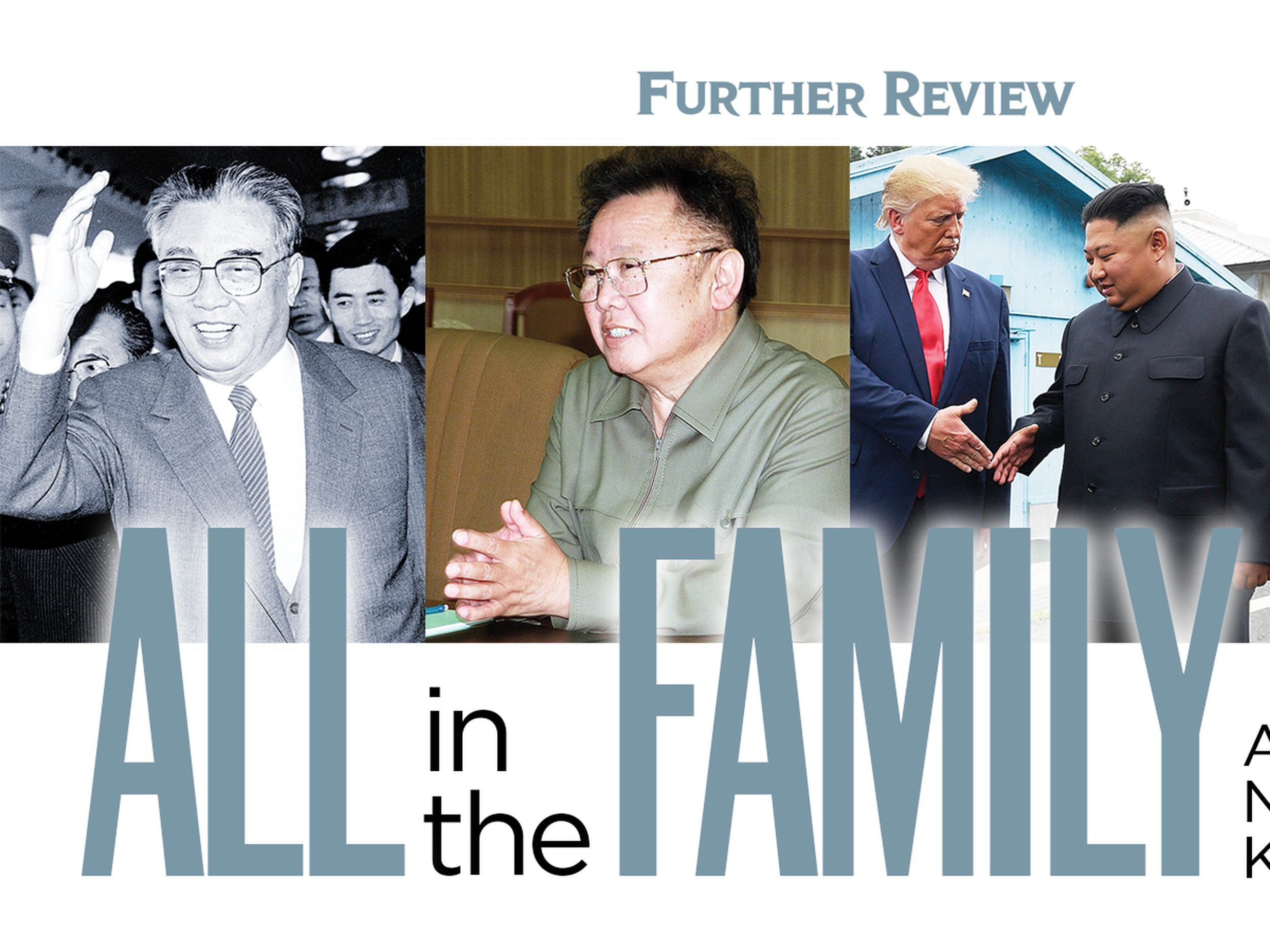
In North Korea, only a small amount of highly ranked government officials and selected individuals have access to the global internet. Majority of the citizens do not have unrestricted access to the world wide web and are limited to domestic, state controlled online resources. Instead of global internet like we have access to, North Korea have access to a domestic network called Kwangmyong, which is essentially an intranet containing only government-approved websites. This network is used for propaganda, education, and limited communication.
The government controls all forms of media including newspapers, television, radio, and the internet. There is no independent press and all information is filtered through government channels. Social media platforms are not used for open communication or sharing of ideas. For example, Facebook, Twitter, or Instagram are not allowed by ordinary citizens of Korea. They consider these platforms as external influences that could challenge the regime's control over information.

The government heavily monitors online activities. All forms of communication including phone calls and email, are subject to surveillance. There are strict punishments for those who are caught using unauthorized means of communication or accessing prohibited content. They in-force imprisonment, and forced labor. The government tightly controls the use of smartphones, computers, and other digital technologies. Many foreign smartphones are banned and domestic phone are highly restricted in their capabilities.
There are investigative journalists who fact check and interview political and public figures called watchdogs. They closely monitor people of power and report information to the public. 38 North is a website devoted to the informed analysis of North Korea. As the government controls the flow of information, much of what is told to the public is inaccurate and altered in the government's best interest. However 38 North can set facts straight. 38 North addresses the political, economic, and social development.
While analyzing the discretion North Korea has on their media policies, it is difficult not to assume that they could be potentially hiding something. Most of their local posts are news oriented to government and social affairs but never to make North Korea look flawed. Their ability to factor this can lead to misinformation, discernment, and the lack of freedom of press. The government ensures that all online content aligns with the states ideology creating a fearful society.

Comments
Post a Comment